• About
  • Advertisements
  • Terms of Use
  • Contact
Tuesday, May 5, 2026
The Sikaman Times
Advertisement
  • Home
  • News
  • Business
  • Technology
  • Regional
  • Features
  • Focus
No Result
View All Result
The Sikaman Times
  • Home
  • News
  • Business
  • Technology
  • Regional
  • Features
  • Focus
No Result
View All Result
The Sikaman Times
No Result
View All Result

Paulina Kuranchie writes: Can PR professionals avoid paying journalists for coverage?

by The Sikaman Times
August 24, 2023
Ghana media

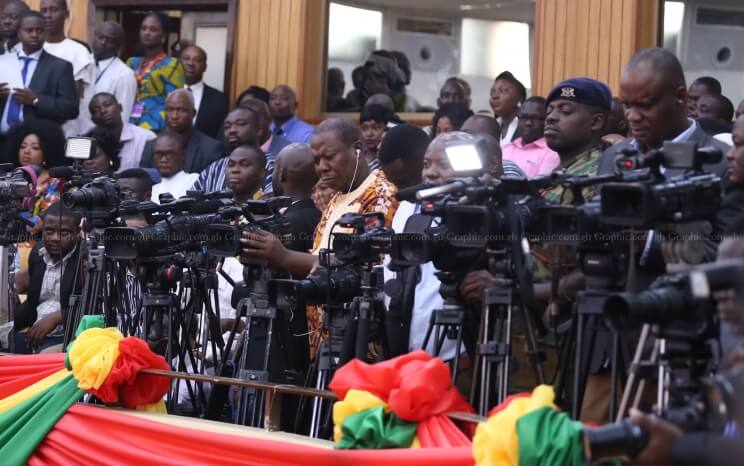
Photo: Media Foundation for West Africa (MFWA) website

SharePostSendShareSend

As part of its bi-monthly conversations, Women in PR Ghana had an insightful discussion on “The Media and PR” on Twitter (X) spaces. The discussants were Akosua Kwafo Ogyiri and Ohenewaa Brown, MCIPR, and they were very well moderated by Jacqueline Johnson Quaye.

As is usual with conversations about PR pros and the media, the conversation dovetailed into “Brown Envelope Journalism” or “Soli” as it is known in Ghana.

The subject of brown envelope journalism raises a lot of concern among PR pros due to the ethical issues that come with it. Below, I share my opinion on the subject and discuss why I think it persists in many African countries.

My thought on the issue of brown envelope journalism, or soli, is that it is unethical, whichever way you look at it or whatever name you choose to give it. The fact that journalists are paid poorly is no justification for soli. There isn’t any amount of money PR pros can pay them to make up for the poor working conditions and lack of a decent work environment our journalists work in. Journalists need to unionize and speak out against their working conditions.

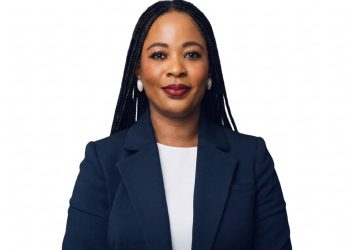
The writer, Paulina Kuranchie

The argument about their poor working conditions can be made by several other professionals, but we all do not put the burden of our poor pay on the people we provide services for; otherwise, all my students will have to pay “something small” for the teaching I do because…

Again, I think the payment of soli persists because PR pros sometimes “benefit” from the extra cash that remains after all the invited journalists take their money. That element of corruption is why I think it persists, and I am speaking from experience here. I have worked in places where PR pros share the money that’s left.

There is also an element of power dynamics at play between PR pros and journalists when it comes to soli payments and receiving. PR pros can choose to blacklist journalists who do not report on their stories after paying them soli, in the same way that journalists and their editors sometimes say “Oh, that business doesn’t pay, so we won’t cover their stories”. I think those power dynamics need to be acknowledged by both sides.

Media in other jurisdictions outside Africa understand content, while most of our media don’t. I have always said that because of commercial interests, our media has inverted the way it is supposed to operate: Great content-> eyeballs/ears-> advertising revenue, and the cycle repeats.

Our media unfortunately starts with advertising revenue, thereby inverting the cycle.

Finally, the issue of media ownership, which leads media owners to abuse the rights of journalists, needs to be discussed and addressed. There’s research that shows that over 70% of the media in Ghana is in political hands (i.e., politicians and politically exposed persons), and that is very dangerous for our democracy.

That said, is it possible to work in PR without paying soli? I believe it is. In my last consultancy for Bloomberg Media Initiative Africa, I didn’t pay soli, yet our stories got published and received airtime. Akosua and Ohenewaa, as well as Eunice Asantewaa Hansen-Sackey, made some very useful points about how we can engage and maintain the relationship between PR pros and journalists. I think the conversation is a must-listen-to for those who missed it.

Why do you think Brown Envelope Journalism persists in your country? Share your thoughts.


The writer is an accomplished Strategic communications practitioner, researcher, and lecturer.

Advertisement Advertisement
Share1Tweet1SendShareSend
Previous Post

PPP advocates fixed date for District Level Elections

Next Post

11th Annual Int’l Tax Conference: Speakers back calls to tax informal sector

Related Posts

NDC showing growing intolerance to galamsey criticism – George Krobea Asante writes
Ghana

NDC showing growing intolerance to galamsey criticism – George Krobea Asante writes

April 24, 2026
From Supplement to Standalone: Why Financial Literacy Must Be a Core Subject in Ghana — Peter Asare Nyarko writes
Business

From Supplement to Standalone: Why Financial Literacy Must Be a Core Subject in Ghana — Peter Asare Nyarko writes

April 23, 2026
3x Grammy Award winner Gramps Morgan seals landmark deal with Hotels and Deals Int. Ltd
Art & Entertainment

3x Grammy Award winner Gramps Morgan seals landmark deal with Hotels and Deals Int. Ltd

April 15, 2026
AI at Ghana’s Ports: Reform, Resistance, and the Real Policy Question – Francis Timore Boi, Esq.  writes
Business

AI at Ghana’s Ports: Reform, Resistance, and the Real Policy Question – Francis Timore Boi, Esq. writes

April 9, 2026
Media icon Oheneyere Gifty Anti honoured with prestigious Head of State Legacy Award
Art & Entertainment

Media icon Oheneyere Gifty Anti honoured with prestigious Head of State Legacy Award

April 3, 2026
CFLE Africa set to observe 2026 edition of month-long financial literacy campaign on wealth creation
Business

CFLE Africa set to observe 2026 edition of month-long financial literacy campaign on wealth creation

April 1, 2026
Next Post
11th Annual Int’l Tax Conference: Speakers back calls to tax informal sector

11th Annual Int'l Tax Conference: Speakers back calls to tax informal sector

Leave a Reply Cancel reply

Your email address will not be published. Required fields are marked *

  • GIZ empowers women-led SMEs with user-centred digital tools to transform Ghana’s informal sector

    GIZ empowers women-led SMEs with user-centred digital tools to transform Ghana’s informal sector

    2 shares
    Share 1 Tweet 1
  • Korle-Bu lab workers threaten strike over leadership shake-up

    1 shares
    Share 0 Tweet 0
  • Catholic Bishops slam festival nudity, question police protection

    1 shares
    Share 0 Tweet 0
  • Korle-Bu doctors suspend strike, OPD services to resume May 5

    1 shares
    Share 0 Tweet 0
  • Lab scientists must head Korle Bu Central Laboratory – GAMLS

    1 shares
    Share 0 Tweet 0

Browse by Category

  • Africa
  • Ahafo
  • Art & Entertainment
  • Arts & Entertainment
  • Ashanti
  • Aviation
  • Banking & Finance
  • Bono East
  • Brong Ahafo
  • Business
  • Business
  • Central
  • Communication
  • Culture
  • Eastern
  • Economy
  • Education
  • Entrepreneurship & Local Business
  • Exclude
  • Features
  • General
  • Ghana
  • Greater Accra
  • Health
  • Health
  • International
  • International Trade
  • Lifestyle
  • Lifestyle
  • Media
  • National
  • News
  • North East
  • Northern
  • Oil & Gas
  • Oti
  • Politics
  • Politics
  • Real Estate
  • Regional
  • Relationship
  • Relationship
  • Religion
  • Savannah
  • Social
  • Social
  • Sports
  • Sports
  • Technology
  • Tourism & Hospitality
  • Trade
  • Transportation
  • Uncategorized
  • Upper East
  • Upper West
  • Volta
  • Western
  • About
  • Advertise
  • Privacy & Policy
  • Contact

About Us

© 2022- 2026 The Sikaman Times

No Result
View All Result
  • Home
  • News
  • Business
  • Technology
  • Regional
  • Features
  • Focus

About Us

© 2022- 2026 The Sikaman Times

QUICK LINKS

About

Privacy Policy

Terms Of Use

Advertisement

Contact

FOCUS

Ghana

Africa

International

CATEGORIES

General News

Business

Opinions

Politics

Technology

EXTRAS

Sports

Entertainment

Health & Wellness

STAY CONNECTED

Facebook Twitter Youtube Instagram Linkedin

© COPYRIGHT 2022-2026
The Sikaman Times